©

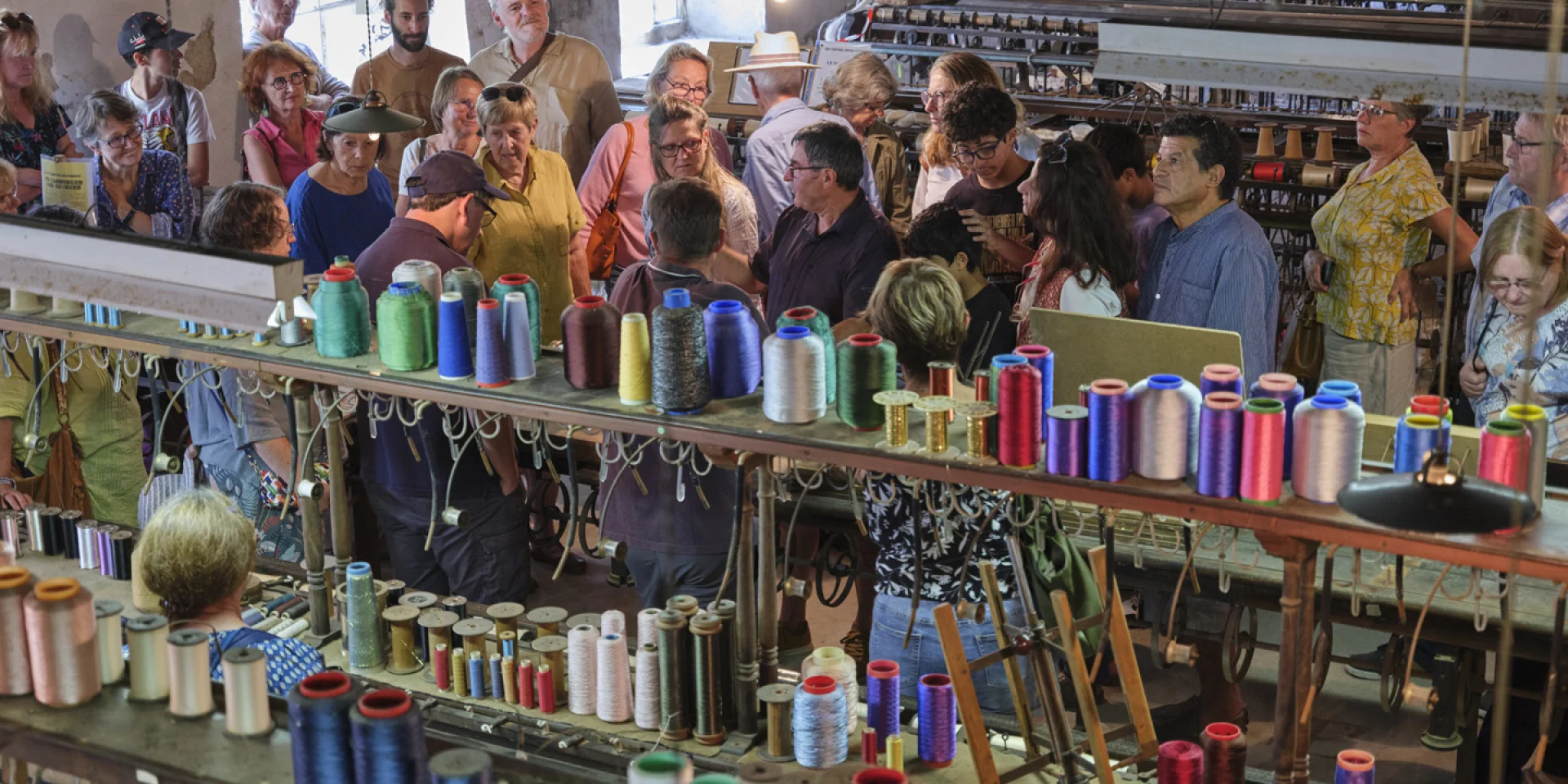
European Heritage Days

|

©Jean-Marc VIDAL

The Mazeaux Mill

Europe’s last fully operational silk mill

Much water has flowed under the bridge since the days when the Moulinage des Mazeaux was in operation,the preservation of this unique heritage and the restoration of this site, which was selected in 2022 for the ‘Loto du patrimoine’ lottery organised by Stéphane Bern with the support of the Ministry of Culture and La Française des Jeux. It is also supported by a fundraising campaign by the Auvergne Heritage Foundation.

On the banks of the Mazeaux stream, on the outskirts of Tence, along the departmental road leading to Saint-Bonnet-le-Froid, the former Mazeaux mill officially ceased operations in 1996.
But what is the situation today?

The place and its history

Le Moulinage is situated near Tence in Haute-Loire, in the village of Les Mazeaux, where the stream winds its way under the road.

Antoine Grand, a farmer from Montregard, bought it in 1876 and leased it to two successive tenants. Then, in 1894, Jean Marie Grand, the son of the previous owner, took over the mill himself. It was thus passed down from father to son until 1996.
The mill is nestled below the road and is fed by a 200-metre-long canal.

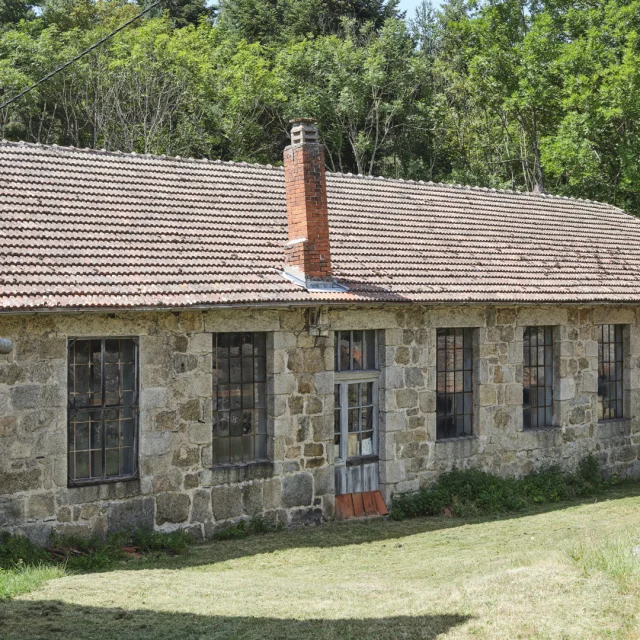
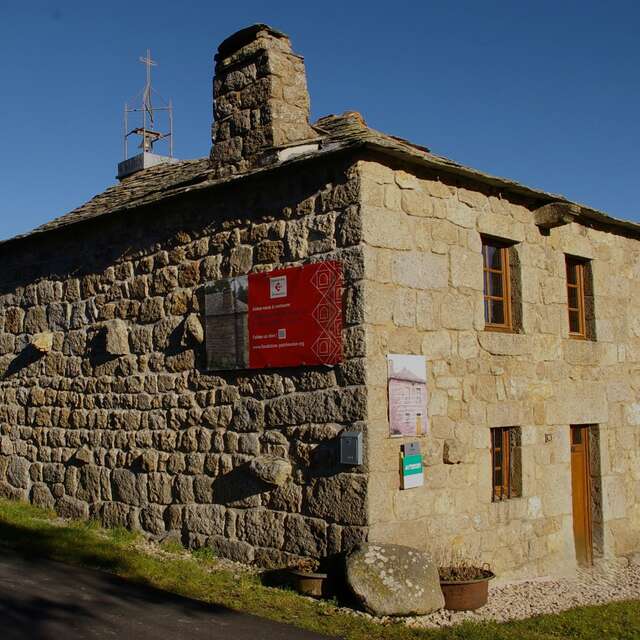
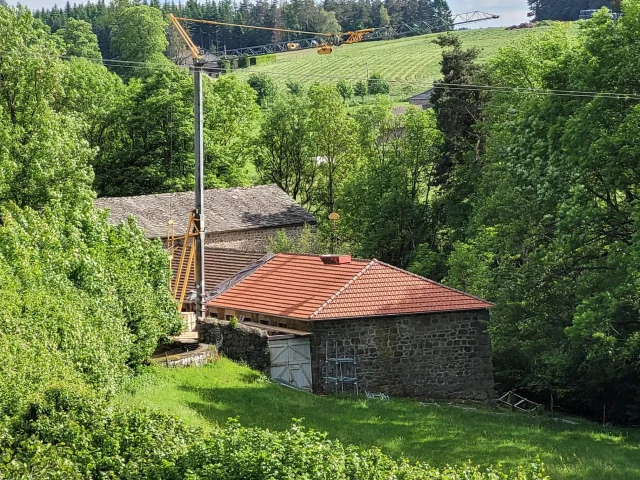
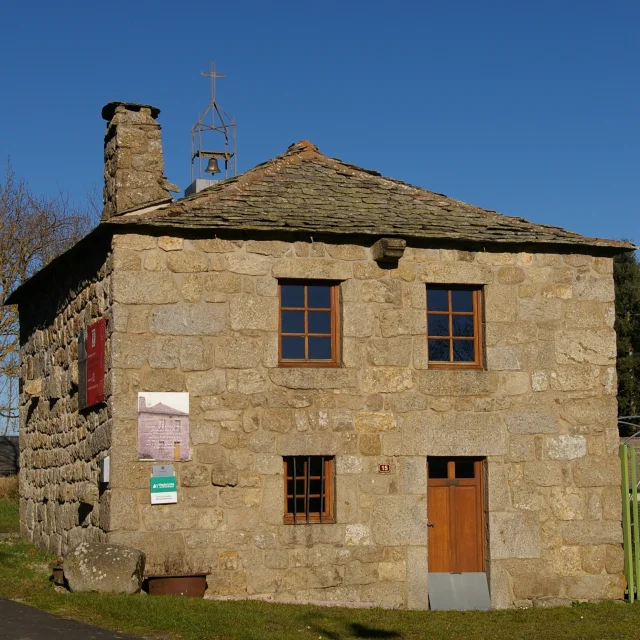
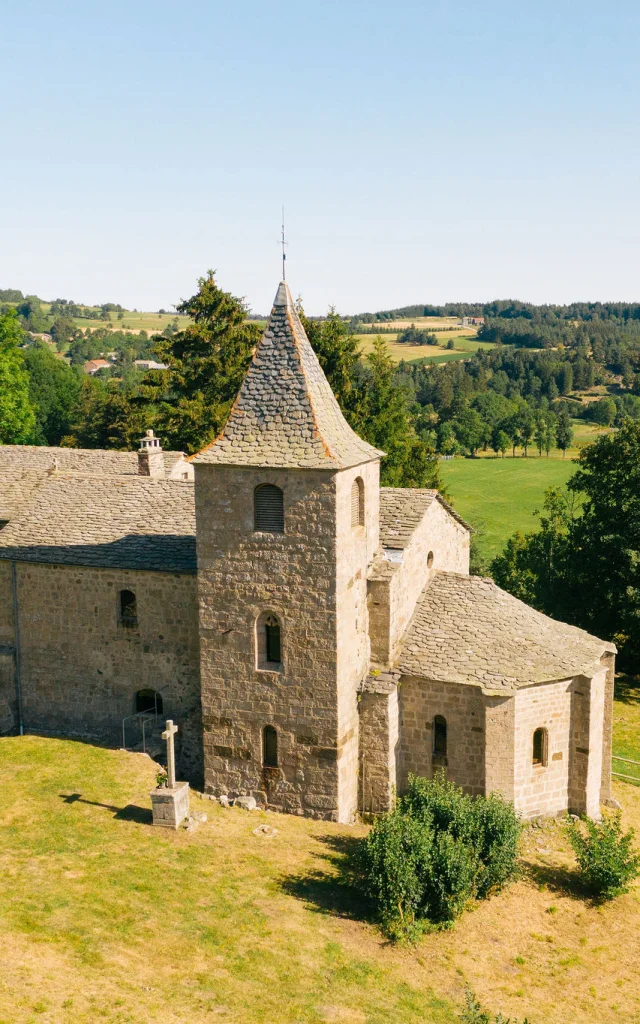
At the far end of the courtyard, one comes to a large building constructed of local granite with a slate roof, extended at right angles by a distinctive building with a low roof and red tiles.
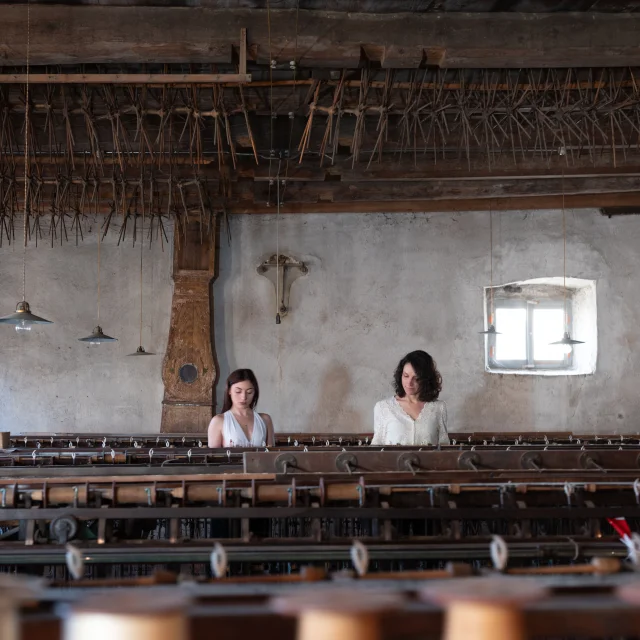
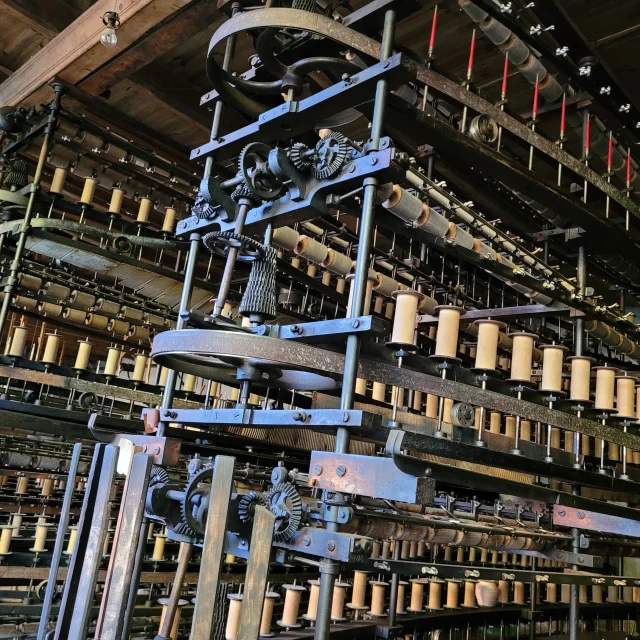
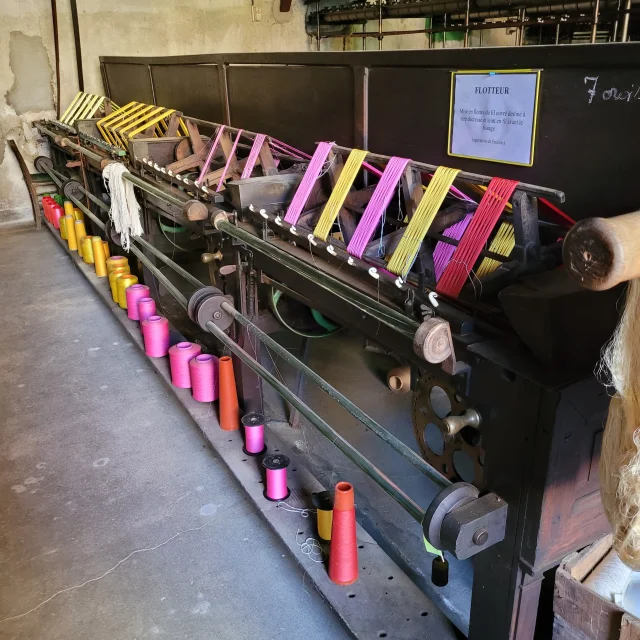
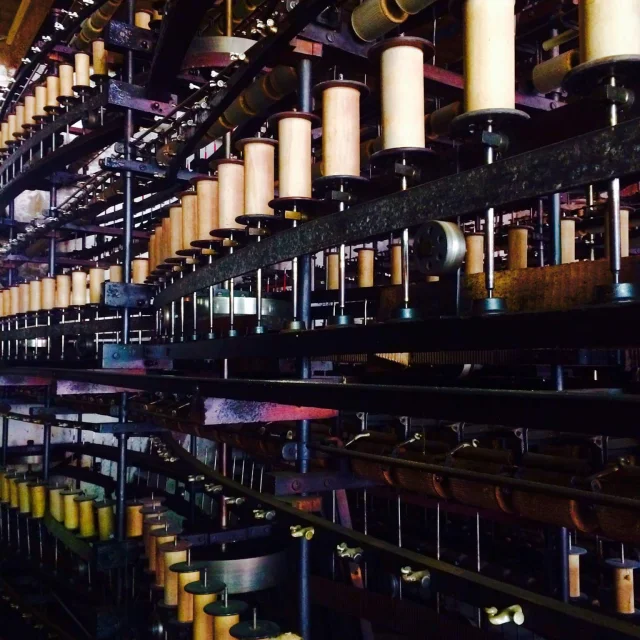
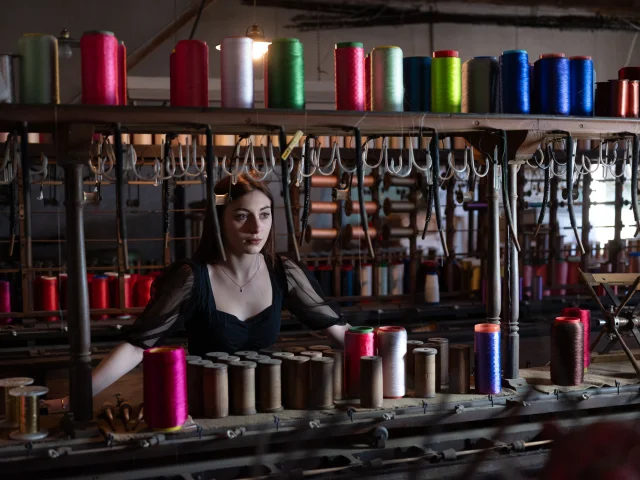
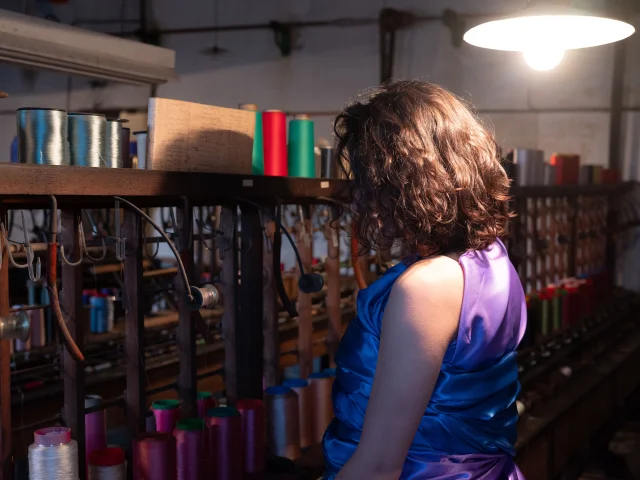
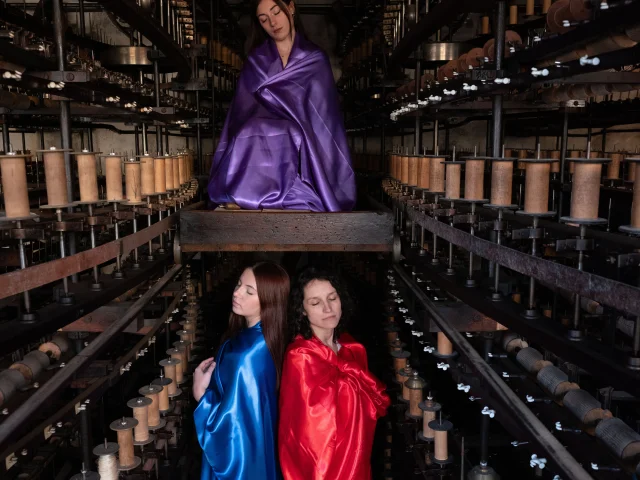
When you step inside, you can picture the place in full swing, as if the workers were still there.
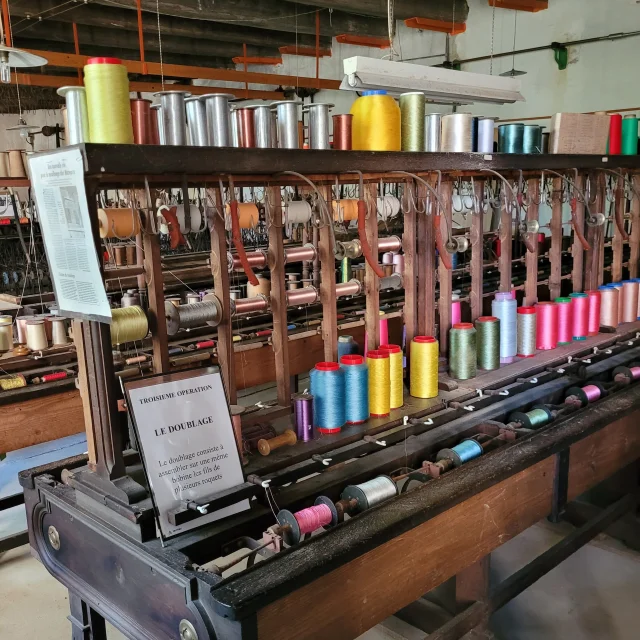
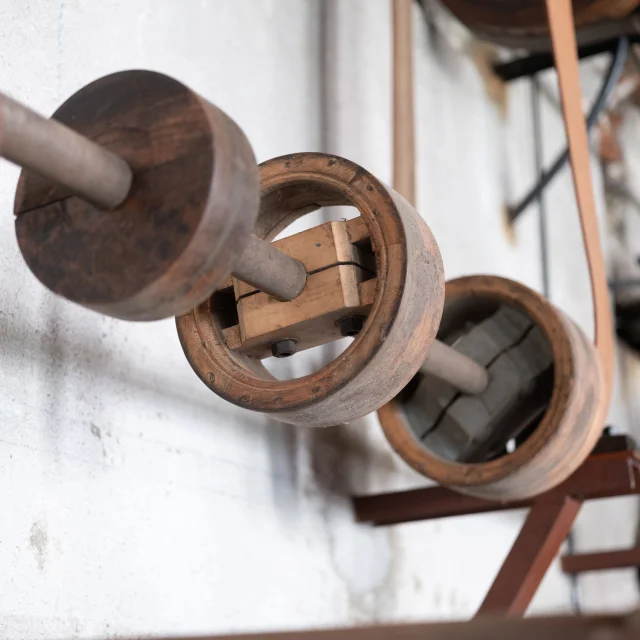
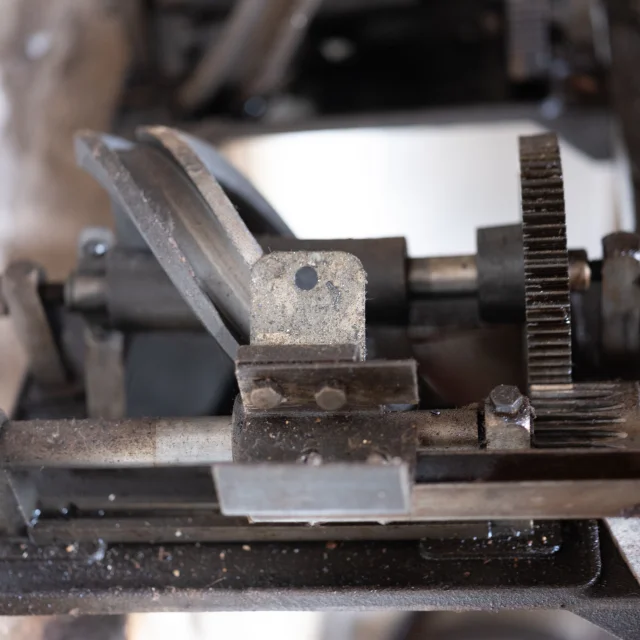
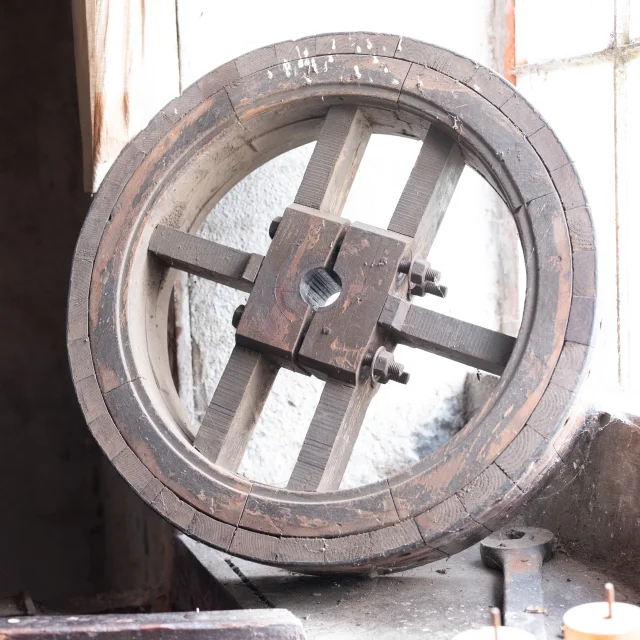
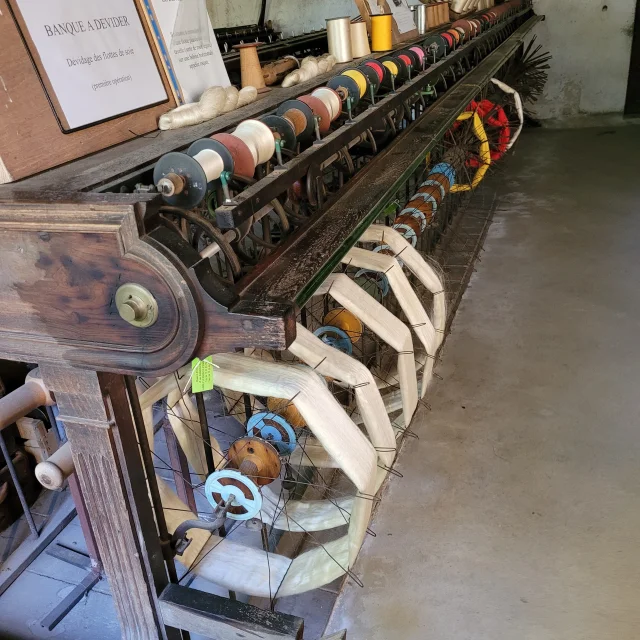
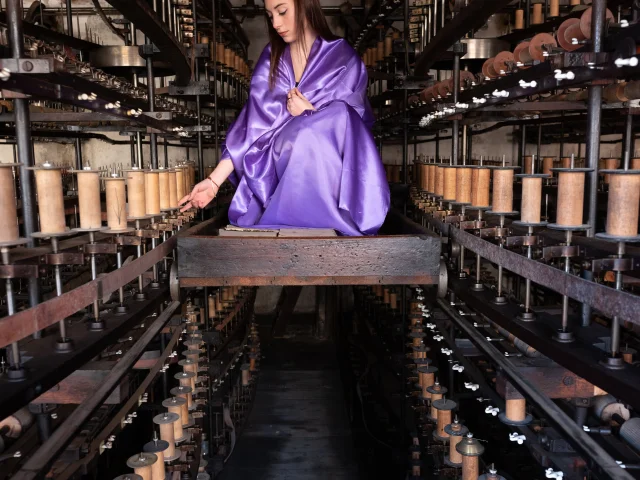
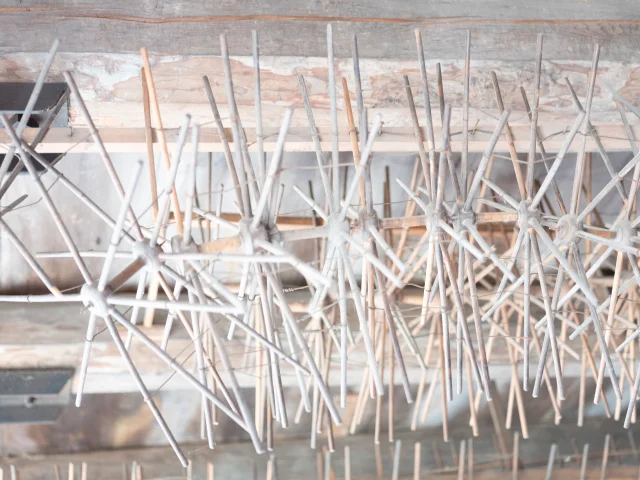
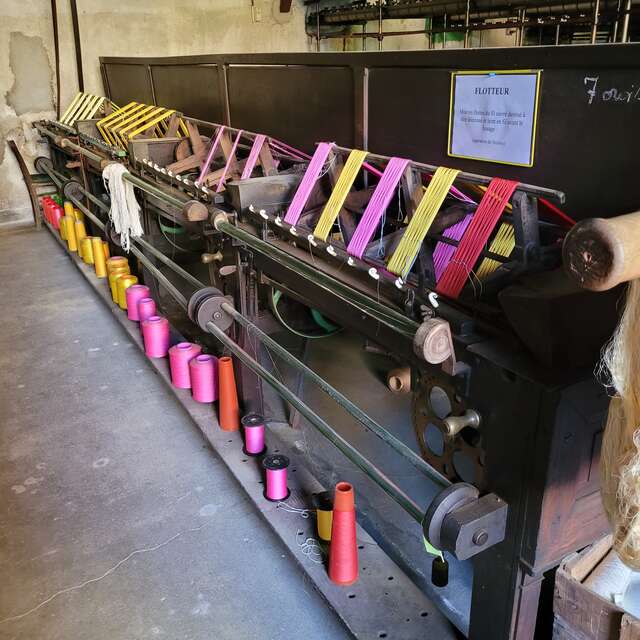
Everything is there: the machines, the unwinding benches, the twisting mills spread over two floors:

    • spools,
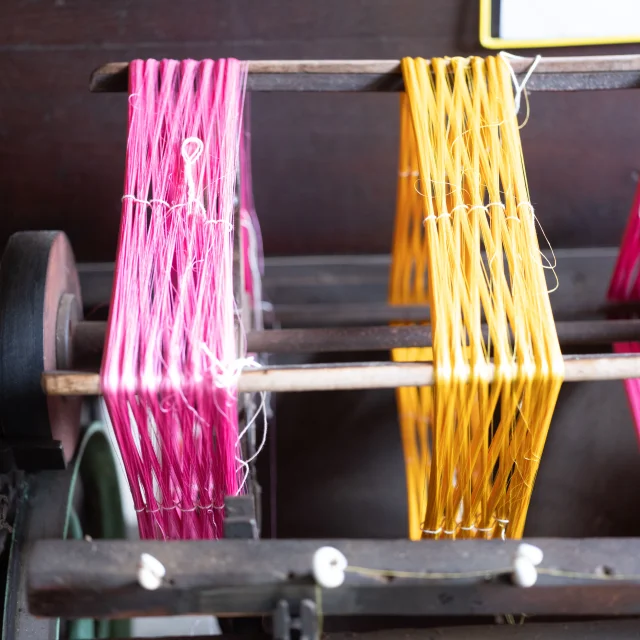
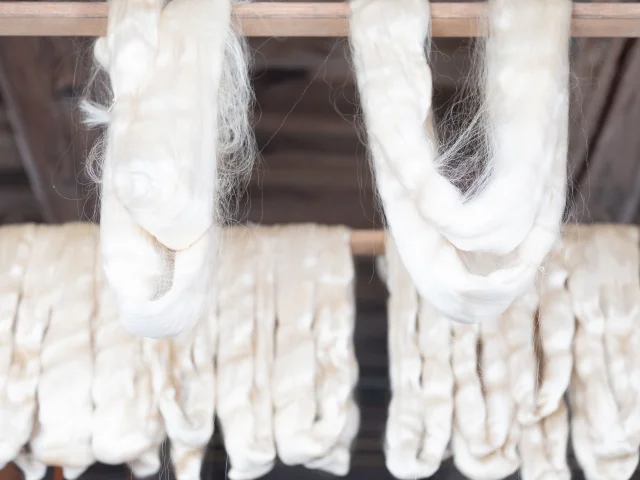
    • skeins of silk,
    • tools,
    • religious images on the wall…
Local industrial life An iconic 19th-century factory

 The Moulinage des Mazeaux was a factory that prepared raw silk yarn for weaving

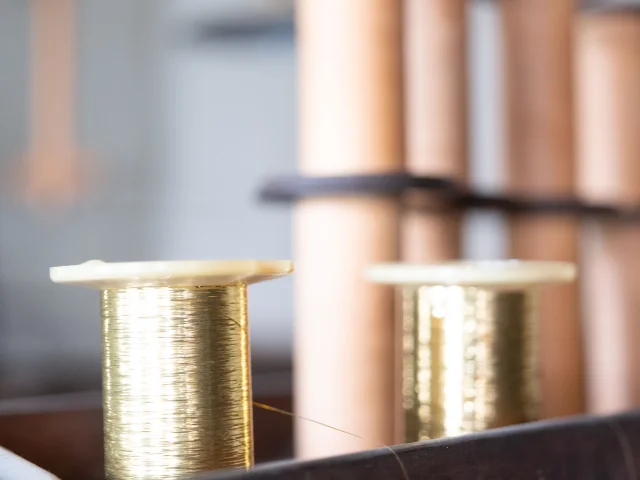
At this silk mill, work was carried out on a contract basis and the finishing work was paid for by weight. Silk mills would send their bales of silk from China, Japan, the Turkish countryside… The skeins of raw silk were then soaked, wrung out and unwound onto reels using a spindle.
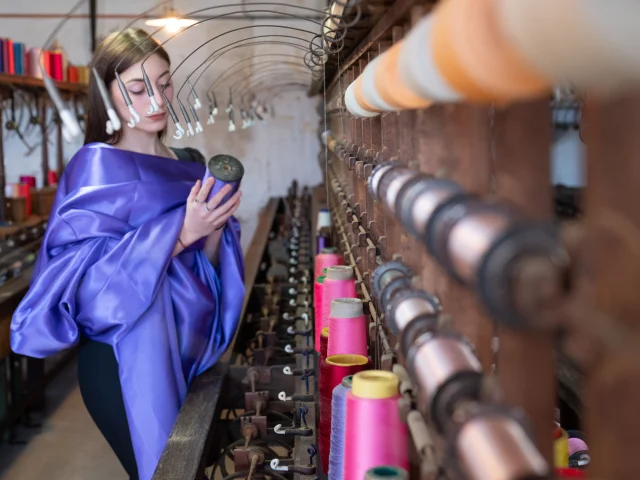
Next came the doubling of the threads and finally the actual reeling process: twisting. It was in this way that the finished threads, resulting from combinations of twisting and weaving, made it possible to produce the full range of desired fabrics. These include: twill, crepe, voile, organza, grenadine, muslin… Given that any irregularity would show through in the fabric, one can appreciate just how crucial the twisting process was in the manufacture of silk fabrics.

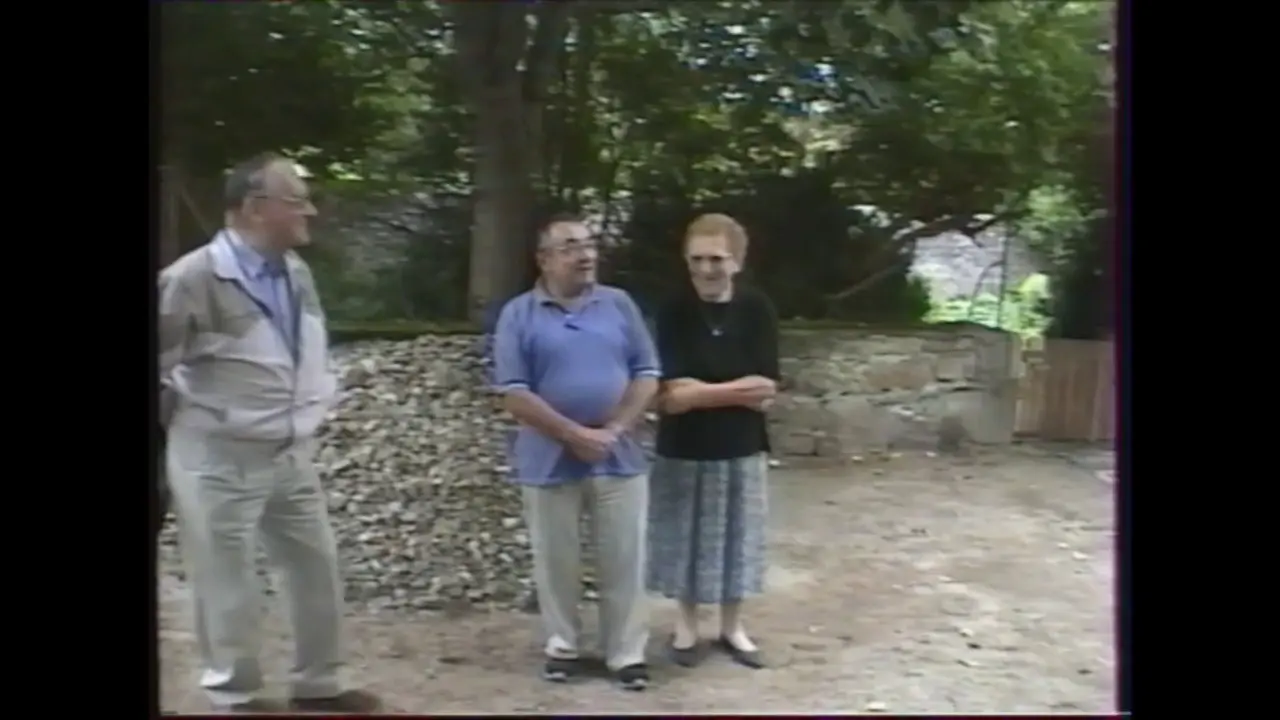
Footage shot in 1999 

Moulinage des Mazeaux à Tence

The project: Preserving industrial heritage

Protect buildings from water damage in order to safeguard the structures and collections 

The various buildings are in need of major renovation work.
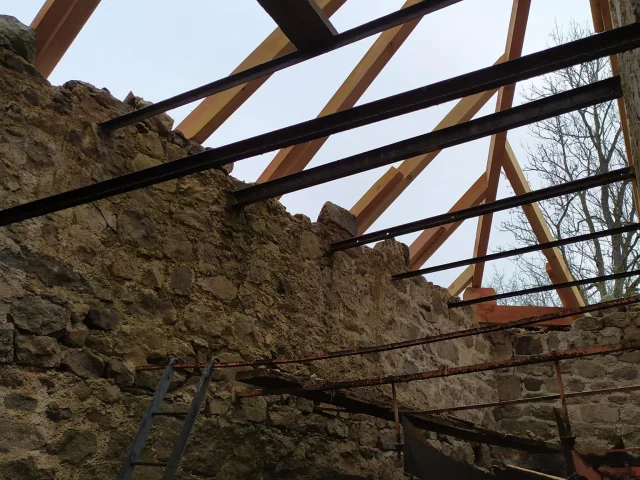
The roofs of both buildings were re-roofed in 2025.
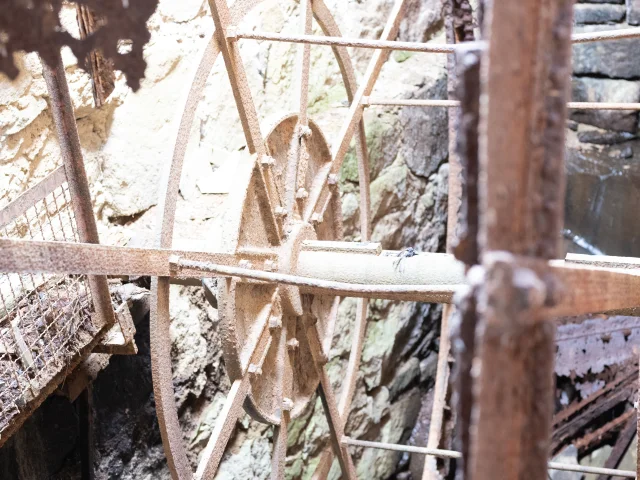
The water wheel and the pipeline need to be completely restored.
The second building houses the collection of silk mills (which are rare as they have two storeys).

The owners would like to preserve the site’s character as an authentic place of remembrance, and ultimately promote cultural engagement through the organisation of exhibitions, workshops and opportunities for discussion.

Selected for the Mission Bern’s 2022 Grand Heritage Lottery, a substantial sum was awarded, and “this has finally enabled us to begin the rehabilitation and restoration of our heritage, after years of struggle and hard work.”

Work carried out in several stages:

    • removing the old slate tiles and sorting them on the ground,
    • sweeping away the clay soil,
    • removing the old planks.
    • After all that, we encountered a few unexpected issues with the roof structure: many of its key components had to be replaced. Not surprising for a 150-year-old building…

Work continued with the laying of the planks, the zinc work and, finally, the slate tiles. We were fortunate to be supported by an excellent company with complete expertise in specialised roofing (for the Moulinage style and slate tiles).
The Grand and Giraud families

Small heritage to be saved

Watermills, pilgrims’ hostels, fortified houses, chapels, churches: there are numerous historical landmarks. All these sites, which are often unique, sometimes require roof repairs, building refurbishment or the restoration of paintings… Cultural heritage deserves to be showcased by owners, whether private individuals or local authorities. Let’s work together to preserve our heritage.